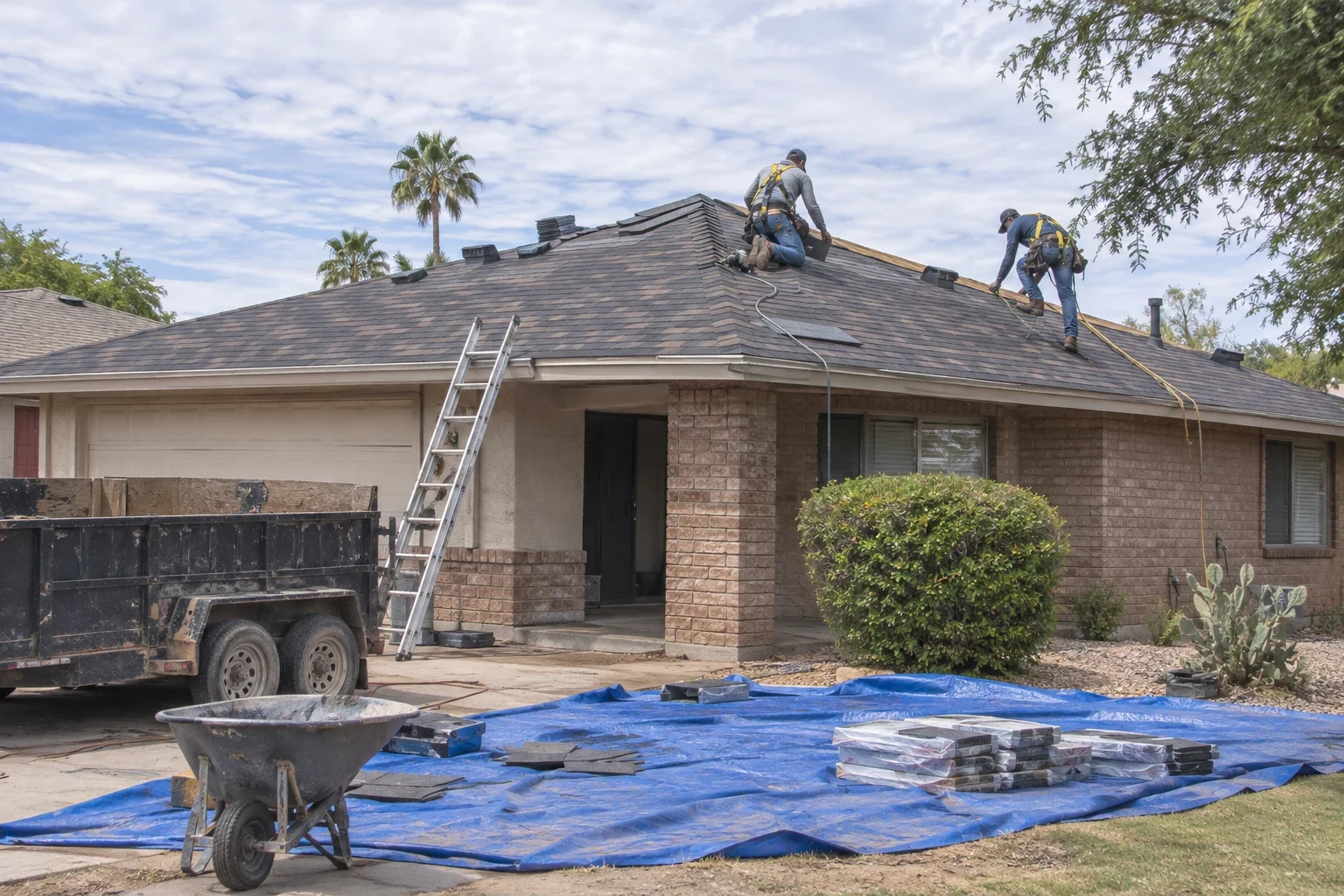
Roof Repair and Replacement in Paradise Valley, Permitted, Inspected and Explained
We repair, replace and install tile, shingle, foam and flat roofs for homeowners in Paradise Valley and nearby towns like Scottsdale and Fountain Hills. We handle the permit, build to the code your town has adopted and tell you, in plain words, what the inspector will look at on your home and why it matters.
- Arizona KB-2 licensed contractor
- 10-year labor warranty
- Town paperwork handled
- Code items explained
Roofing Services for Your Home
We work on the roofs you see on homes all over the Valley: concrete and clay tile, asphalt shingle, spray foam and low-slope flat roofs. A slipped tile or a worn foam coat may only need roof repair. An aging roof may call for a full roof replacement, and an addition or new build needs a new roof installation from the deck up. Each service page covers what wears out on that roof type, how we handle it and what the code asks for.
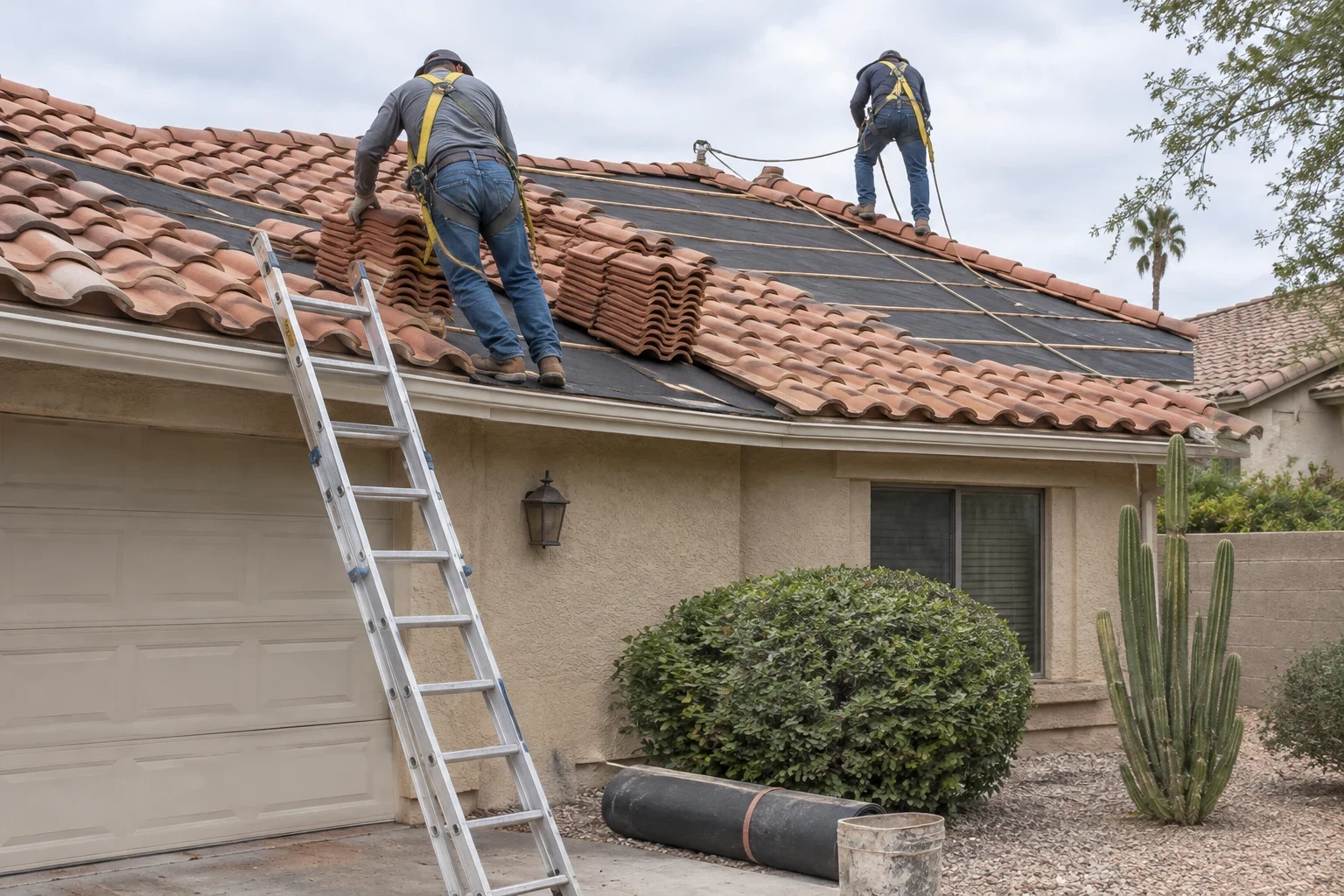
Tile Roofing
Concrete and clay tile roofs relaid or replaced over new underlayment, built to code and signed off by the inspector before we call the job done.
Shingle Roofing
Asphalt shingle roofs installed and replaced to code, with the decking checked, the flashing renewed and the attic ventilation sized correctly.
Foam Roofing
Spray polyurethane foam for flat and low-slope roofs, built up for drainage, sealed with an approved coating and recoated before the sun wears it through.
Roof Replacement
A full tear-off and new roof built to current code, with town approval and inspections handled by our crew from start to finish.
Roof Repair
Leak tracing and targeted fixes for tile, shingle, foam and flat roofs, with clear answers on whether your repair needs a permit.
New Roof Installation
Roofs for new homes, additions and casitas, planned with your builder and installed to meet code at every inspection.
Flat Roofing
Modified bitumen, TPO and built-up flat roofs rebuilt with proper slope, sealed parapet walls and the permit handled for you.
About Roofing Paradise Valley
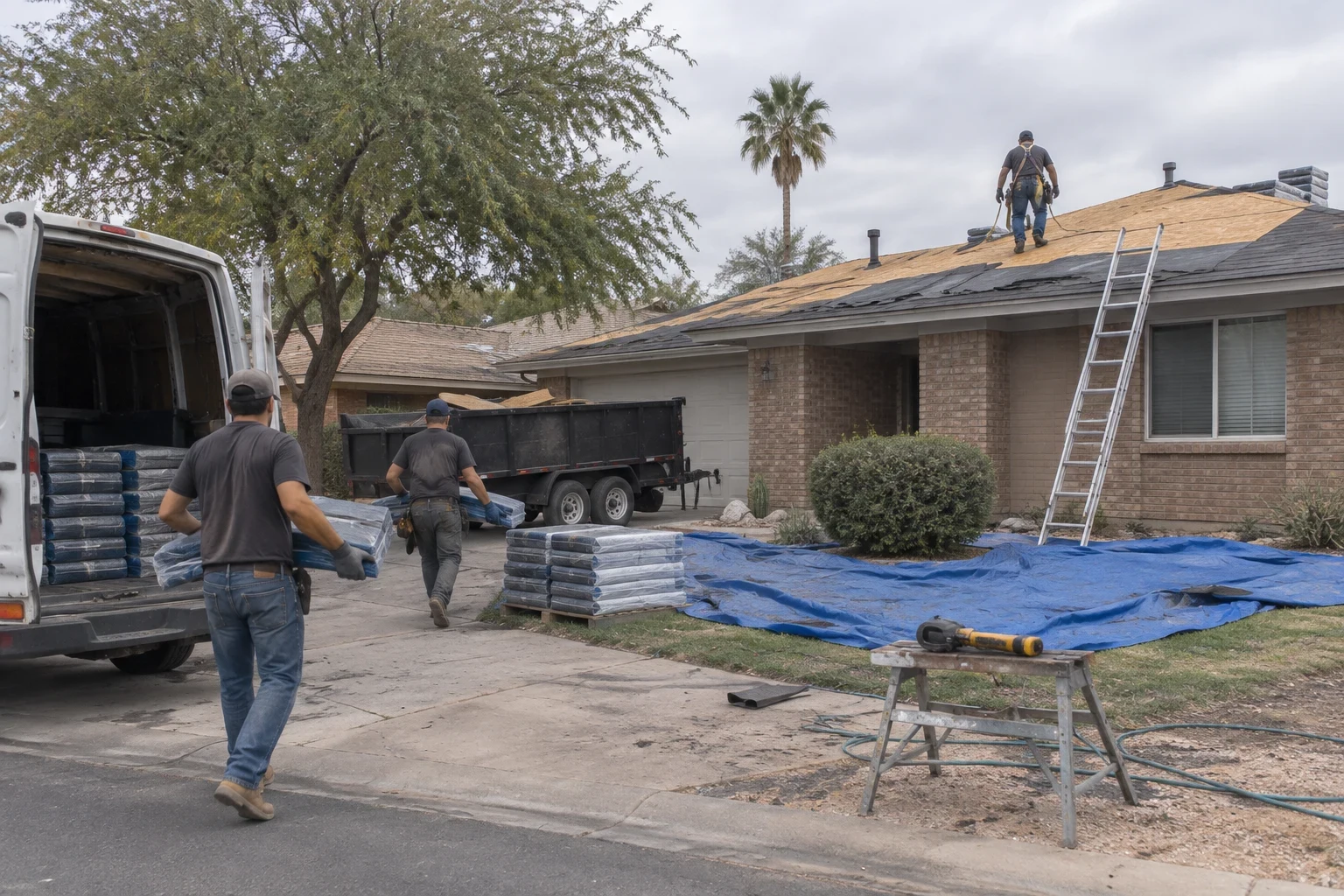
We are a roofing company serving Paradise Valley and the surrounding area, and our focus is narrow on purpose: putting roofs on homes the right way. That means building to code and earning the town's sign-off, with no shortcuts hidden under the tile where nobody would notice.
Plenty of roof trouble traces back to work that was never right to begin with. Underlayment lapped in the wrong direction, a wall with no flashing, an attic with too few vents for summer heat. When we come across those things, we show you, explain why they matter and correct them.
For you, it stays simple. One phone number, clear answers and a crew that treats your home with care from the first tarp laid down to the last sweep of the yard.
- License
- Arizona KB-2 licensed contractor
- Warranty
- 10-year labor warranty
Where We Work
Our home base is Paradise Valley, and we work on homes across the nearby area, including Scottsdale, Phoenix, Tempe, Glendale, Fountain Hills and Guadalupe. Each town runs its own building department with its own forms and inspection schedule. We file with whichever one covers your address, so you do not have to sort that out.
- Paradise Valley
- Phoenix
- Glendale
- Scottsdale
- Tempe
- Fountain Hills
- Guadalupe
If you are unsure whether your home falls in our range, mention your cross streets on the phone and we will give you a clear yes or no.
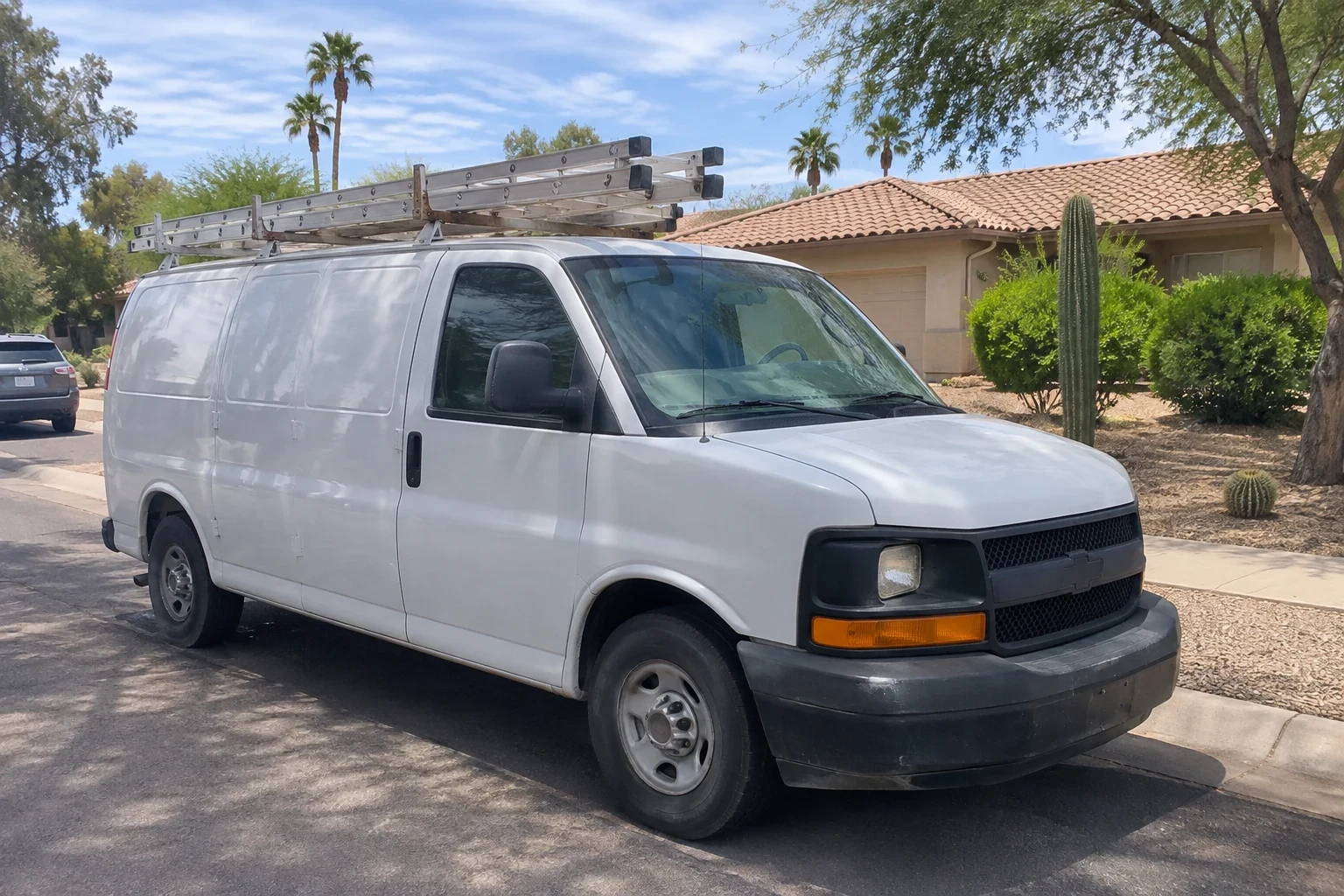
How a Roofing Job Runs
Here is the usual order, so each stage feels expected rather than surprising.
- 1
Start with a phone conversation
Tell us what you have noticed, maybe a ceiling stain, slipping tiles or a foam roof that looks tired. We talk it through with you and pick a day that works for a visit.
- 2
On the roof with a tape measure
We check the surface, the flashing and any signs of water inside your home. Then we tell you what we found and put the scope and price in writing.
- 3
Paperwork and a start date
Once you say yes, we file with the building department and give you a start date. In the hottest months, crews begin early to use the cooler morning hours.
- 4
The work and the sign-offs
The crew tears off, repairs decking, lays underlayment and installs the new surface. The inspector checks the stages your town requires, and we tell you as each one passes.
- 5
Final walk-through
We walk the finished roof with you, hand over the paperwork and clear the site. You will know what was done and what to keep an eye on over the years.
What Moves the Price of a Roof
We price each roof from what we measure and see on it, not from a chart. A handful of things make most of the difference. Knowing them makes any estimate easier to read and compare.
After we look at your roof, we put together a written, line-item estimate and walk you through it by phone, with time for your questions before you decide anything.
- Square footage and slope
- A bigger roof takes more material and more hours. Steep slopes call for added fall protection and slower, more careful footing, which stretches the schedule.
- The roofing material
- Tile, shingle, foam and flat membranes differ in both material and labor cost. On a tile roof, relaying sound tiles over new underlayment can shift the total a good deal.
- The decking beneath it all
- Sheathing that has gone spongy from years of slow leaks can't hold a new roof, so those boards come out and fresh ones go in. That kind of damage usually stays hidden until tear-off, which is why your estimate states up front how any extra decking would be charged.
- Code upgrades and town fees
- The permit fee is part of the job. If the old roof is missing flashing, venting or underlayment the current code calls for, bringing it up to standard is written into the scope, not quietly left out.
- Access and roof layout
- Several roof levels, parapet walls, skylights and narrow side yards all slow the work. A simple roof with open access moves along faster.
Questions Homeowners Ask
Something not covered here? (480) 485-3889
Do I need a permit to replace my roof?
Usually, yes. A full reroof typically requires one from your town, and some larger repairs do as well. We take care of the filing and line up the inspections. Unapproved roof work can cause trouble later when you sell your home or file an insurance claim.
What does the inspector actually check?
That depends on the job and the town. Commonly, the inspector looks at the decking and underlayment before the finished surface goes on, then at the completed roof. Flashing, fastening and attic ventilation are measured against the code. We tell you what each visit covers before it happens.
Can my old roof tiles be reused?
Often, yes. Concrete tile tends to outlast the underlayment beneath it by many years, so a common approach is to lift the tiles, put down new underlayment and relay the sound ones. Cracked or brittle pieces are swapped for matching tiles wherever we can find them.
How can I tell if my roof needs a fix or a replacement?
We weigh the roof's age, how far the damage has spread and what is happening beneath the surface. If a repair will last, that is what we recommend. If the underlayment or decking is breaking down across the whole roof, replacement is the better use of your money, and we show you why.
What warranty comes with your work?
We provide a 10-year labor warranty. It covers our workmanship on the roof we install. Material warranties come from the manufacturer, and we go over those separately for the product you pick.
How long does a roof replacement take?
Many homes take a few days to a week of work, depending on size, roof type and any decking repairs. Waiting on the inspector between stages can add a little time. We give you a realistic schedule at the start and keep you posted if anything changes.
Does someone have to stay at the house during the job?
No, plenty of homeowners head to work as usual while the crew is up top. It helps if side gates are left unlocked and pets and cars are kept away from the work area. Before the inspector comes out, you get a heads-up, so you can be there and ask questions if you like.
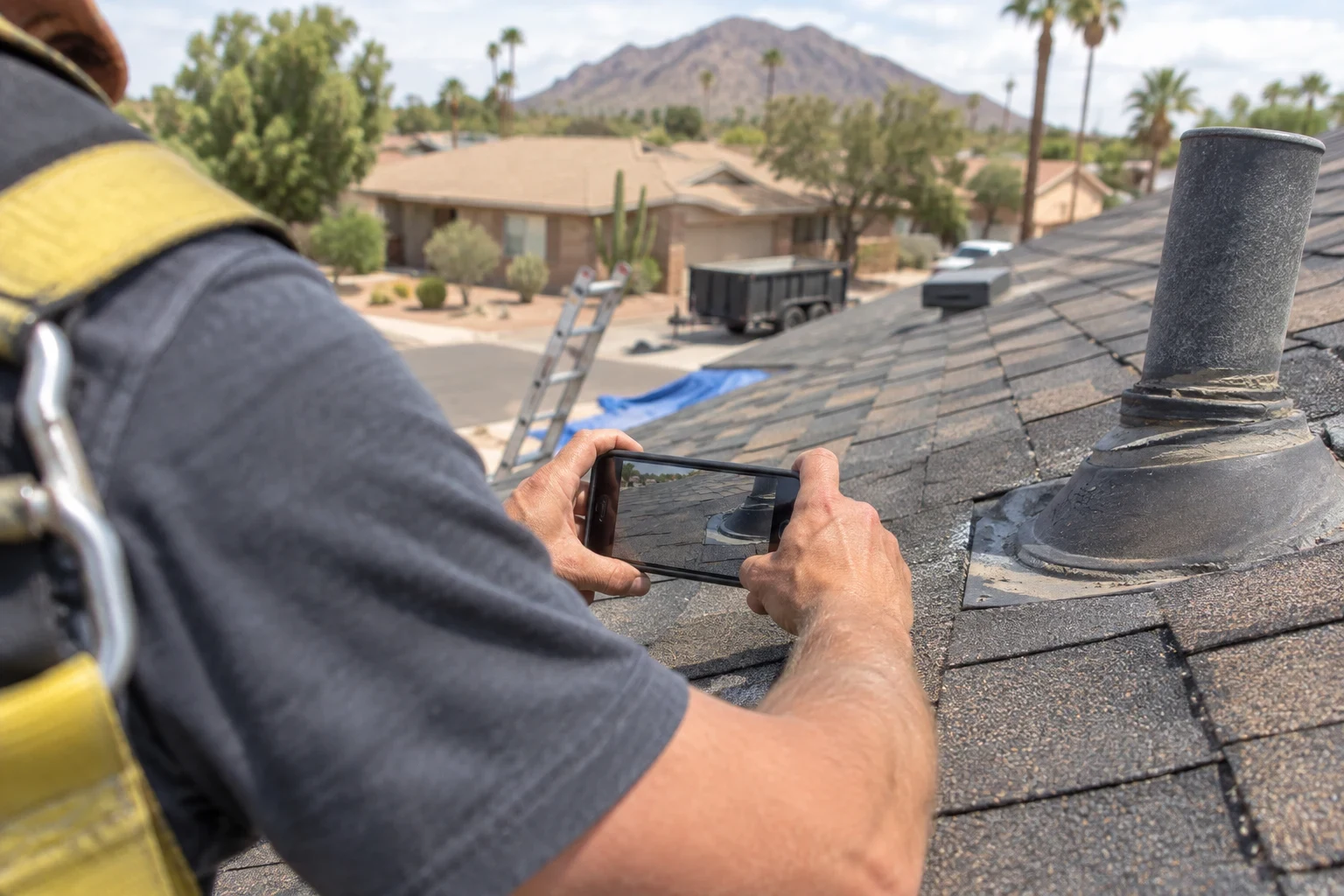
How We Work on Your Home
Most homeowners just want the roof done correctly, signed off by the town and explained so it makes sense. That is the job as we see it.
- We handle the paperwork
- Reroofing usually needs a permit from the town's building department. We file it, line up the inspector's visits and keep track of each sign-off, so you never have to chase anyone. At any point you can ask where the job stands and get a straight answer.
- The code, in everyday words
- Before work begins, we go over the code items that apply to your roof: the underlayment, flashing where the roof meets a wall, how everything is fastened and how the attic breathes. If your current roof was built short of those rules, we point it out and explain your choices.
- A scope written line by line
- Your estimate spells out tear-off, the decking we expect to replace and the town's fees. If opening the roof turns up rotted sheathing, work on that section pauses while we show you photos and talk it through with you.
- A straight repair-or-replace answer
- A cracked tile or a chalky foam coating does not automatically mean a new roof. When a repair will hold, we tell you so. When the underlayment below has given out, we explain why a patch would only buy a few months.
- Care for your yard
- Plants, pool decks and walkways get covered before tear-off begins. Old material goes straight into the dumpster or trailer, and before the crew heads out each evening we run a magnet over the ground for stray nails.
Have a Roof Question on Your Mind
Share what you are seeing up top and we will lay out the next step, including whether the town needs to sign off on the work. Plain answers, and no pressure to decide on the spot.